40 years, 50+ stores, and no reason to go out of your way
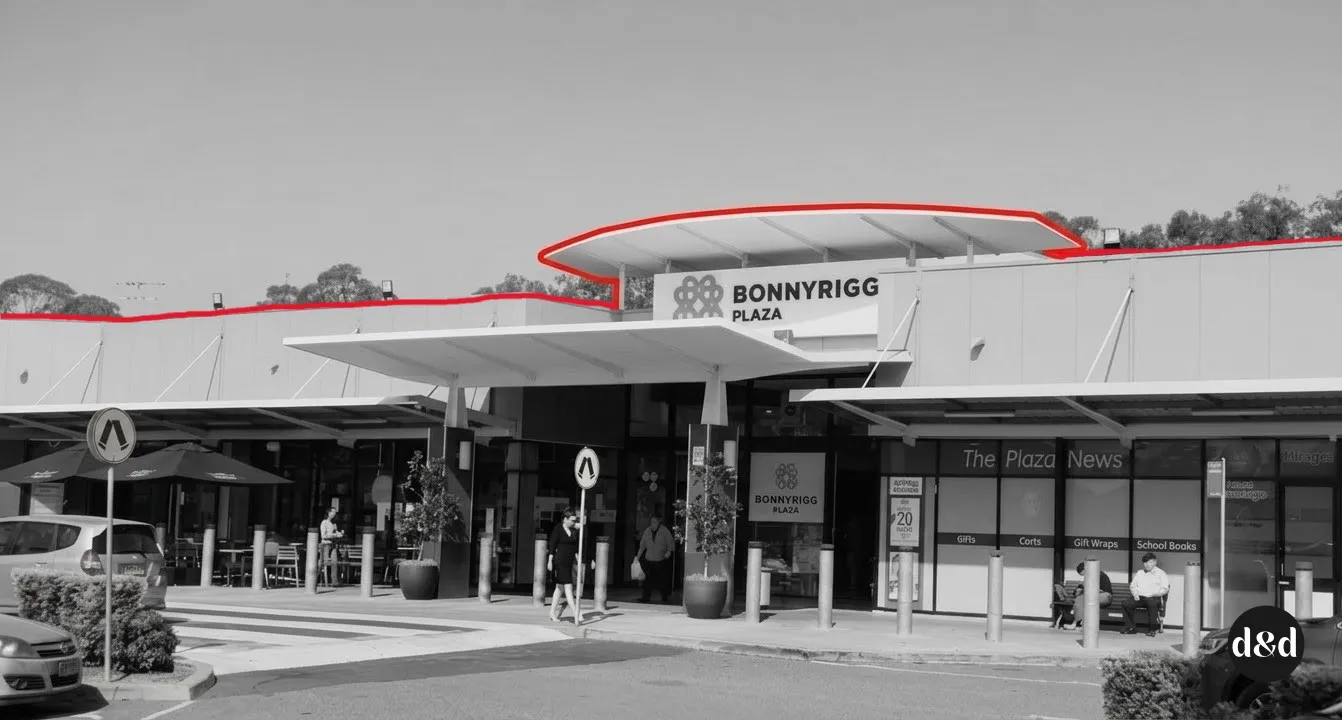
Bonnyrigg Plaza opened in 1986 as a supermarket-based convenience centre on Bonnyrigg Avenue, right in the heart of one of Sydney’s most culturally diverse suburbs. Woolworths, Big W, Priceline Pharmacy, over 50 specialty stores. A 2019 revitalisation added a new food court, fresh food precinct, and an alfresco dining area. It’s been a fixture of the Fairfield City community for four decades, and the Google reviews from locals reflect genuine affection for the place.
But here’s what I keep coming back to: there is no compelling digital reason for anyone outside the immediate area to visit Bonnyrigg Plaza. Nothing on the website or social channels that would make someone drive an extra 15 minutes past another centre to come here specifically.
The best retail destinations, whether it’s a Michelin-starred restaurant or a local market that goes viral, share one thing: they give people a reason to seek them out. Bonnyrigg Plaza’s digital presence doesn’t do that. It presents the centre as functional, which it is, but functional isn’t a destination. Functional is where you go because it’s close, not because it’s worth the trip.
The community the Plaza actually serves
According to the 2021 Census, Bonnyrigg has a population of 9,785 people. Vietnamese is the most common ancestry at 26.6%, followed by Chinese at 13.8%, Khmer (Cambodian) at 7.4%, and English at 6.8%. Only 23.5% of residents speak English only at home. Vietnamese is spoken in 27.4% of households, Arabic in 6.4%, Khmer in 5.6%. The most common religions are Buddhism (28.2%) and Catholicism (23.6%).
This is one of the most genuinely multicultural suburbs in Australia, not as a marketing slogan but as a demographic reality. The Plaza sits right in the middle of it. Enzo’s Cucina, Golden Rice Thai & Laos Cuisine, Spring Sushi, Pho Delicious, Kim Ngan Asian Supermarket: the tenant mix reflects the community. The people walking through those doors every day come from Vietnamese, Cambodian, Lebanese, Chinese, Iraqi, and Laotian backgrounds.
And yet, every piece of digital marketing from Bonnyrigg Plaza is in English, aimed at a generic suburban audience, with the same seasonal promotions you’d see at any centre in any suburb in Australia. There’s a fundamental disconnect between who shops here and how the centre communicates with them.
The website: clean colours, quiet experience
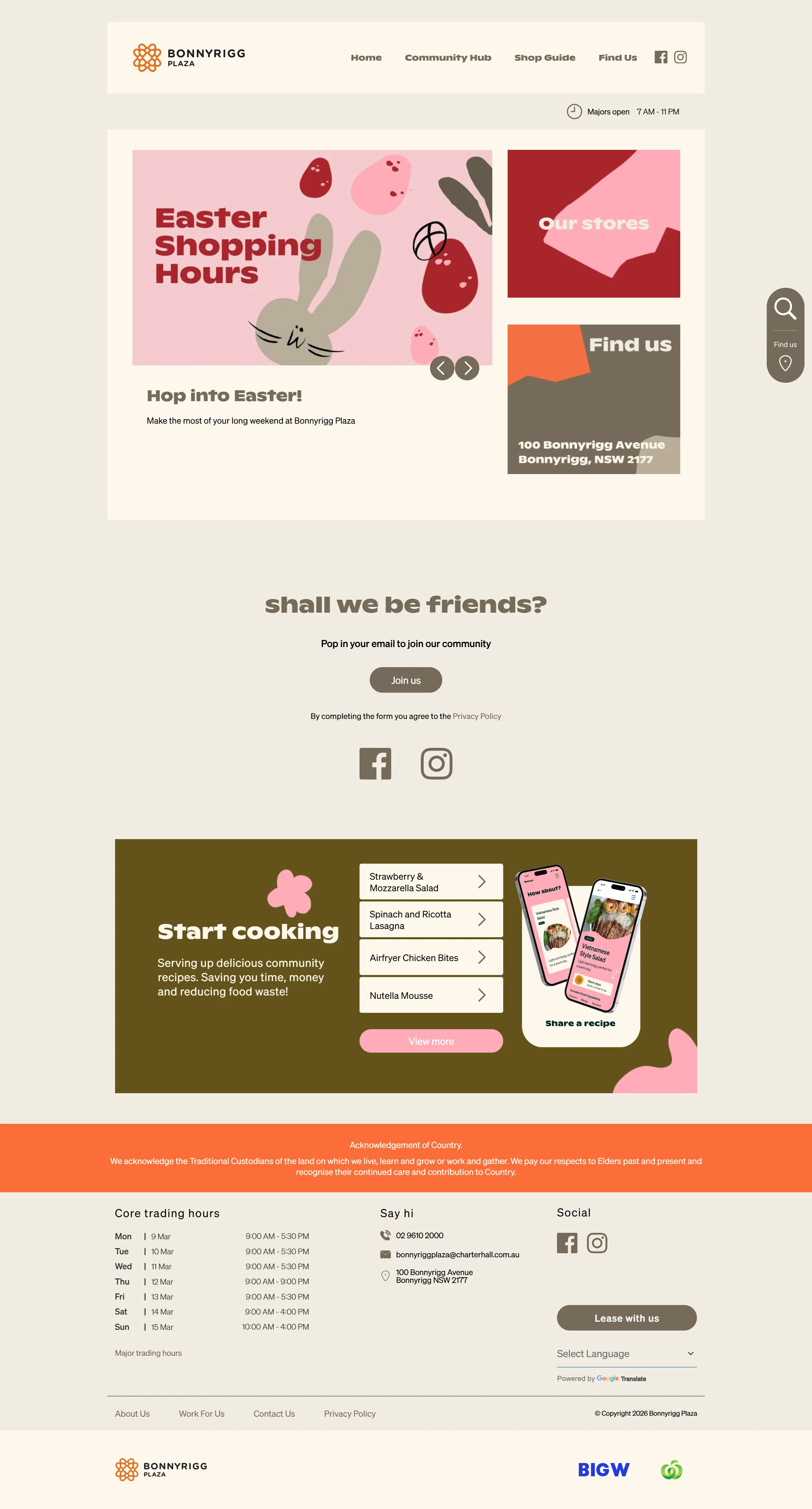 The Bonnyrigg Plaza homepage. Colour palette is pleasant and the layout is simple, but there’s nothing interactive, no store highlights, no events calendar, and no multilingual content despite serving a suburb where 76.5% of households speak a language other than English.
The website at bonnyriggplaza.com.au is clean. The colour scheme is warm and inviting: terracotta, sage green, cream. The navigation is straightforward: Home, Community Hub, Shop Guide, Find Us. There’s a Google Translate widget in the footer. Trading hours are clearly displayed. It does the basics.
But the basics aren’t enough when your competition is every other shopping centre with a website, plus every online retailer, plus every food delivery app. The site has no interactive store directory with filtering. No events calendar. No featured store spotlights. No customer reviews or testimonials. No video content. There’s a community recipes section which is a nice touch, but it’s buried below the fold and feels disconnected from the rest of the experience.
The “shall we be friends?” email signup section is the only conversion prompt on the entire homepage, and it’s easy to scroll right past. There’s no urgency, no incentive, no indication of what you’d actually receive by joining. Compare this to centres like Marrickville Metro or Stockland, which lead with events, new store openings, and community content that gives visitors a reason to engage.
This is my take: The website works as a digital business card. It tells you where the centre is, when it’s open, and what stores are inside. But it doesn’t work as a destination driver. Nobody is going to visit this website and think, “I need to go there this weekend.” And that’s the gap.
Social media: the personality vacuum
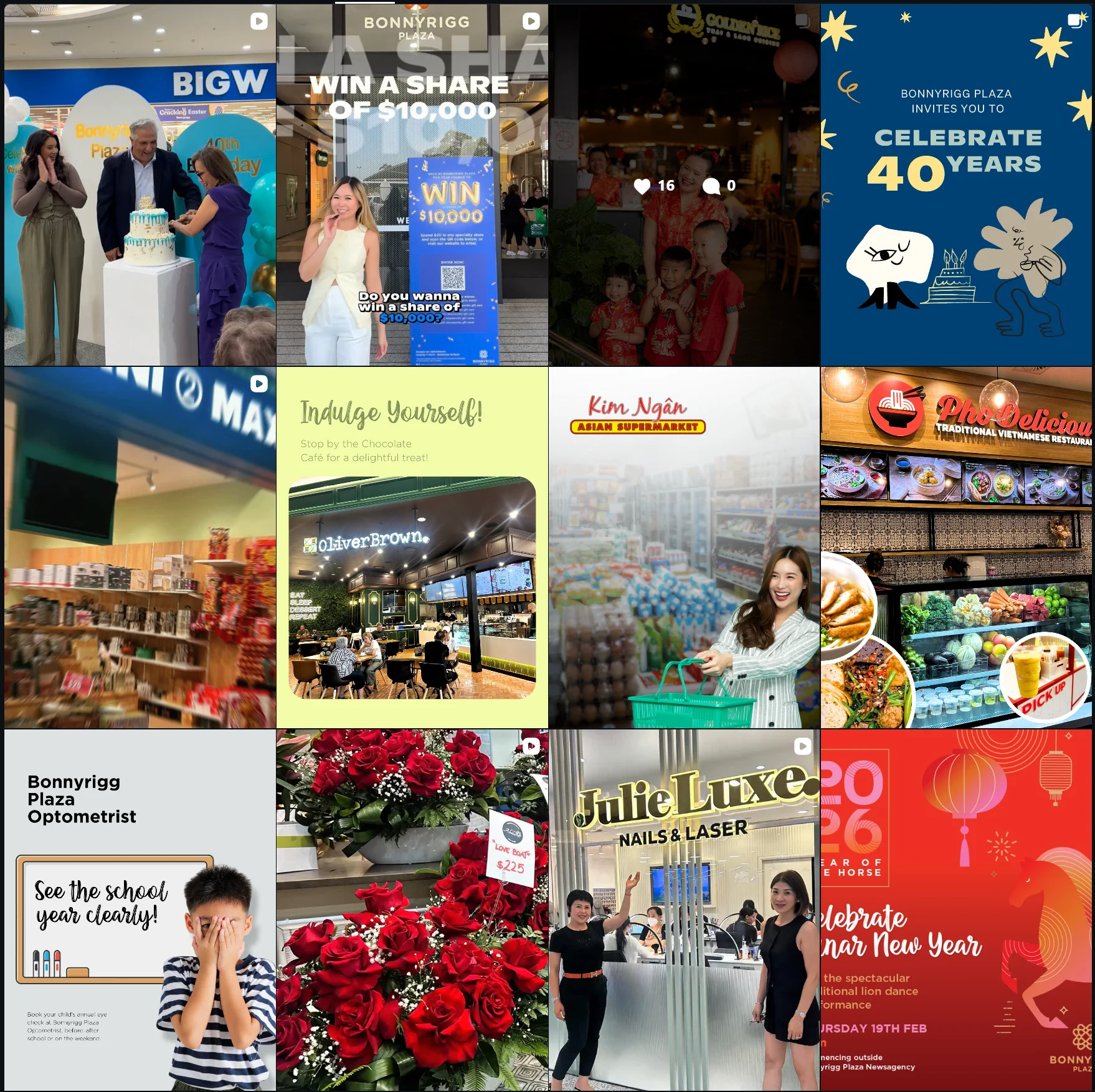 Bonnyrigg Plaza’s Instagram grid. There’s a mix of store features, event coverage, and seasonal graphics, but the overall tone is generic. The Lunar New Year content is a start, but it’s a single post in a sea of standard retail marketing.
Bonnyrigg Plaza’s Instagram has around 1,160 followers and 1,375 posts. Their Facebook has about 4,987 likes. There’s no TikTok presence.
The Instagram feed is a mix of store promotions, giveaway posts, seasonal graphics, and event coverage. It’s not poorly executed, but it lacks personality. Every post could belong to any suburban shopping centre in Australia. The Lunar New Year content is a step in the right direction, but it’s a one-off rather than a sustained cultural engagement strategy.
What’s missing is the stuff that would actually make people stop scrolling: a 60-second video tour of Golden Rice’s kitchen during lunch service. A Reel following a family through the Lunar New Year lion dance at the centre. Kim Ngan Asian Supermarket showing what’s in season and how to cook it.
These stores are the personality of Bonnyrigg Plaza, the things that make it different from Stockland Wetherill Park or Cabramatta’s strip, and they’re barely visible in the digital content.
The centre is also missing from TikTok entirely, which is where food discovery content performs best in 2026. A single well-shot video of Pho Delicious or Golden Rice would reach more people than six months of static promotional graphics.
The Destination Test: what would make someone drive here?
I think about retail destinations through what I call The Destination Test: would someone bypass a closer, more convenient option to come here specifically? The best retail precincts pass this test because they offer something you can’t get anywhere else, whether that’s a specific store, an experience, or an atmosphere.
Bonnyrigg Plaza has the ingredients. Golden Rice Thai & Laos is genuinely good and has a loyal following. Cherry Beans cafe is a comfortable spot. Kim Ngan Asian Supermarket stocks products you won’t find at Woolworths. Pho Delicious serves traditional Vietnamese food in a suburb with real Vietnamese culinary credibility. These are destination-worthy tenants.
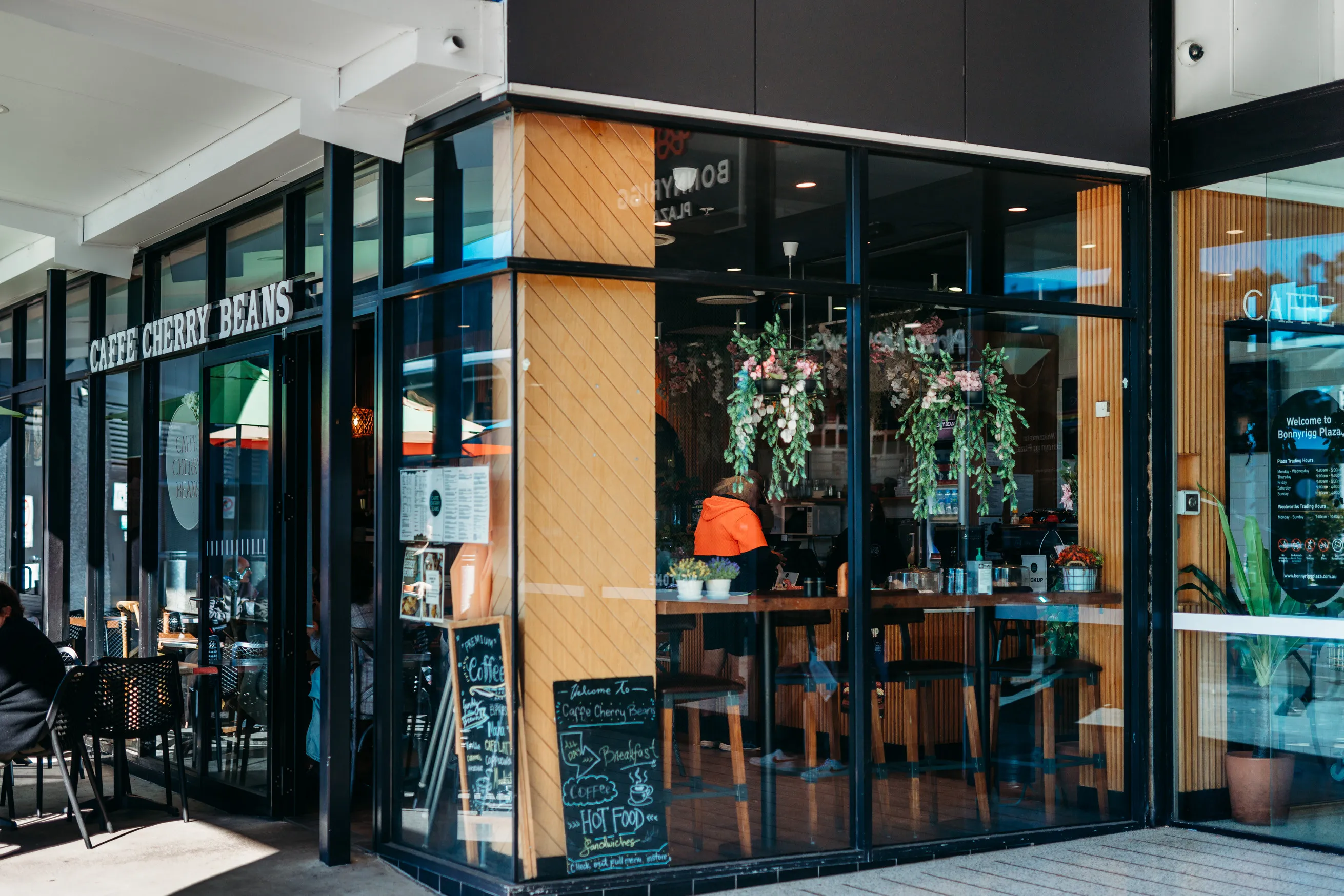 Cafe Cherry Beans inside Bonnyrigg Plaza. Spots like this and Golden Rice are the kind of tenants that could differentiate the centre digitally, but they’re barely featured in the Plaza’s marketing.
But none of this comes through digitally. The website doesn’t spotlight these tenants. The social media doesn’t tell their stories. There’s no “Best of Bonnyrigg Plaza” content series. No food photography that would make someone hungry enough to visit. No user-generated content strategy that turns happy customers into ambassadors.
The result is a centre that passes The Destination Test for locals who already know what’s inside, and fails it completely for everyone else.
Bonnyrigg Plaza's community is 76.5% non-English speaking at home, yet every piece of digital marketing is in English aimed at a generic suburban audience. The centre's 40-year relationship with one of the most diverse communities in Sydney is its greatest asset, and the one thing its digital strategy completely ignores.
The multilingual opportunity nobody’s taking
This is the biggest missed opportunity. Bonnyrigg’s population is 76.5% non-English speaking at home. Vietnamese alone accounts for 27.4% of households. And the centre’s entire digital presence, website, social media, email, is monolingual English.
Google Translate in the footer doesn’t count. Machine translation is functional at best, awkward at worst, and it signals “we didn’t think about you enough to do this properly.” A Vietnamese-language Instagram post, a Khmer-language community event notice, an Arabic-language Ramadan promotion: these would be trivially cheap to produce and would send a powerful message that the centre actually sees its community.
Some of the most successful multicultural retail precincts in Melbourne, places like Springvale and Footscray, have built strong digital identities precisely because they lean into their cultural specificity rather than away from it. Springvale’s Lunar New Year content regularly outperforms generic suburban centre content by orders of magnitude, because it’s authentic, it’s specific, and it resonates with a community that’s hungry to see itself represented.
Bonnyrigg Plaza has a 40-year relationship with one of the most diverse communities in Sydney. That relationship is the asset. The digital strategy should be built around it, not despite it.
Under the hood: Bonnyrigg Plaza's tech stack
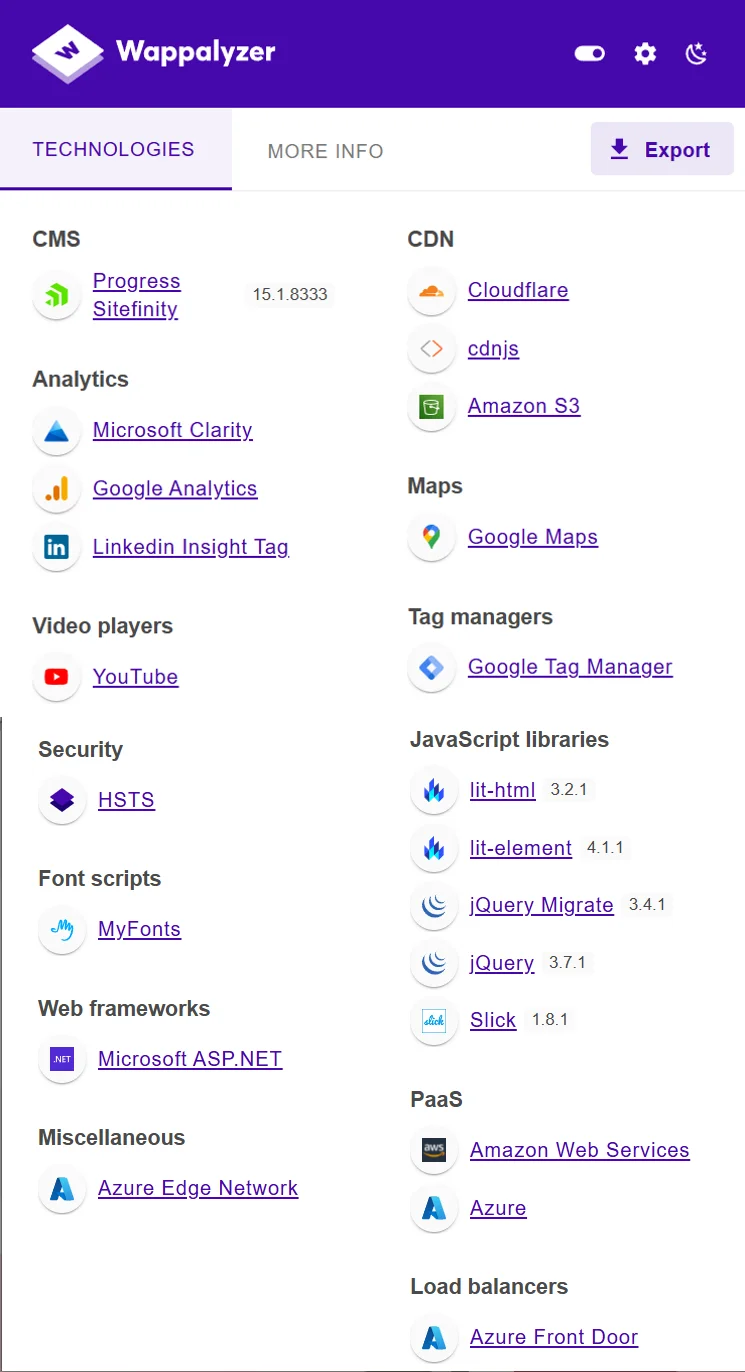 Tech stack captured via Wappalyzer on landing page only.
Bonnyrigg Plaza runs on Progress Sitefinity CMS (version 15.1) on Microsoft ASP.NET, hosted across Amazon Web Services and Azure with Azure Front Door as a load balancer. Analytics include Google Analytics, Microsoft Clarity, and LinkedIn Insight Tag, all managed through Google Tag Manager. Cloudflare handles CDN duties alongside Amazon S3 for storage. Google Maps is embedded for the store finder. HSTS is enabled for security.
What’s working well:
- The analytics setup is surprisingly strong for a suburban shopping centre. Google Analytics plus Microsoft Clarity (for heatmaps and session recordings) plus LinkedIn Insight Tag is a triple layer that most centres this size don’t have. If they’re actually using this data, they have excellent visibility into how visitors interact with their site.
- Azure Front Door with Cloudflare CDN means the site loads fast and handles traffic spikes (like holiday shopping promotions) without issues. The infrastructure is enterprise-grade.
- HSTS enforcement shows someone is paying attention to security basics.
Room for improvement:
- Sitefinity is a capable CMS, but it’s enterprise-level software that’s arguably overkill for what is currently a fairly simple brochure site. The platform can do much more than what’s being asked of it: it supports multilingual content, personalisation, event management, and dynamic store directories out of the box. The tools are there. They’re just not being used.
- No visible email marketing integration. For a centre with an email signup form, the absence of a Mailchimp, Campaign Monitor, or similar platform suggests emails either aren’t being sent, or they’re being handled manually.
- The YouTube embed suggests some video content exists, but it’s not prominently featured on the site or social channels.
This is my take: The tech stack is actually quite good. Sitefinity with Azure hosting and proper analytics is a setup that could power a much more sophisticated digital experience than what’s currently live. The problem isn’t the technology: it’s the strategy running on top of it. This is a sports car being driven in first gear.
What closing the gap looks like
Fixing Bonnyrigg Plaza’s digital presence doesn’t require rebuilding anything. The CMS can handle multilingual content. The analytics are already tracking behaviour. The tenants already provide the stories worth telling.
What it requires is a shift in strategy: from treating digital as a notice board to treating it as a destination driver. Feature the tenants who make the Plaza unique. Create content in Vietnamese, Khmer, and Arabic for the community that actually shops there.
Build an events calendar that reflects the cultural calendar of Bonnyrigg, not just Easter and Christmas. Give people something interactive on the website: a “What’s for lunch?” tool, a rotating store spotlight, a community recipe video series featuring actual Plaza tenants.
The Newleaf Bonnyrigg regeneration project is bringing over 2,330 new homes and more than 3,000 new residents to the area. That’s 3,000 people who will Google “shopping near me” and land on either Bonnyrigg Plaza’s digital presence or a competitor’s. Right now, the website and social channels aren’t ready for that.
Key Takeaways
-
The community is the competitive advantage:
Bonnyrigg is 76.5% non-English speaking at home, with Vietnamese, Chinese, Cambodian, and Lebanese communities as the core demographics. A digital strategy built around this diversity would differentiate the Plaza from every other suburban centre in Western Sydney.
-
The tenants are the content:
Golden Rice, Pho Delicious, Kim Ngan Asian Supermarket, Cherry Beans: these stores have stories, food, and culture worth sharing. They should be the stars of the social media strategy, not background players in generic promotional posts.
-
Multilingual content is table stakes, not a bonus:
When 27.4% of your community speaks Vietnamese at home, a Vietnamese-language Instagram post isn't a nice touch. It's a basic acknowledgement that you see who's actually shopping with you. Google Translate in the footer doesn't count.
-
The tech stack is ready for more:
Sitefinity supports multilingual content, personalisation, and dynamic features out of the box. The analytics are in place. The infrastructure is enterprise-grade. The gap is strategy, not technology.
-
3,000 new residents are coming:
The Newleaf Bonnyrigg housing development will bring thousands of new potential shoppers to the immediate area. The centre that's digitally ready for them wins. Right now, Bonnyrigg Plaza's digital presence isn't making the case.
AI as the unlock for multilingual, multicultural retail
Bonnyrigg Plaza has the asset: forty years of relationship with one of Sydney's most diverse communities. What it doesn't have is any of that captured in a form a model can use. The marketing runs in generic English while 76% of the community speaks something else at home.
Generative AI can translate, localise, and produce culturally aware content across Vietnamese, Arabic, Mandarin, Spanish, and more, simultaneously and at low cost. The AI already knows the languages. What it doesn't know is your tenant mix, your demographics, and your community.
That's what we do at jopy.agency. We audit how your centre or business actually serves its community and produce structured files: Brand-Positioning.md, Customer-Journey.md, Content-Framework.md (to name a few).
What are Structured .md files?
Markdown (.md) is the cleanest and smallest file format that AI likes to read.
We audit businesses end to end, your operations, workflows, brand, customers, tech, etc., then write all of it into structured .md files.
Then you can use these structured .md files so ChatGPT, Claude, Gemini, or any chat-based LLM can read your business context properly for future, in-house vertical growth.
You can then use AI in-house for multilingual campaigns, community content, tenant comms, or whatever you want really.
Interested in AI Context Auditing? Visit Jopy.agencyInterested in AI Context Auditing?Cite This Article
APA 7THReferences
Formatted in APA 7th Edition
- Australian Bureau of Statistics. (2021). 2021 Census QuickStats: Bonnyrigg. ABS. https://www.abs.gov.au/census
- Bonnyrigg Plaza. (2026). Homepage. Bonnyrigg Plaza. https://www.bonnyriggplaza.com.au/
- Location X JLL. (2026). Bonnyrigg Plaza Centre Profile. JLL. https://book.locationxjll.com.au/bonnyrigg-plaza
- Fairfield City Heritage Collection. (1985). Bonnyrigg Plaza, Bonnyrigg NSW, 1985. Fairfield City Council. https://heritagecollection.fairfieldcity.nsw.gov.au
- Wikipedia. (2026). Bonnyrigg, New South Wales. Wikipedia. https://en.wikipedia.org/wiki/Bonnyrigg,_New_South_Wales
- The West Journal. (2024). Bonnyrigg. The West Journal. https://www.thewestjournal.com.au/post/bonnyrigg