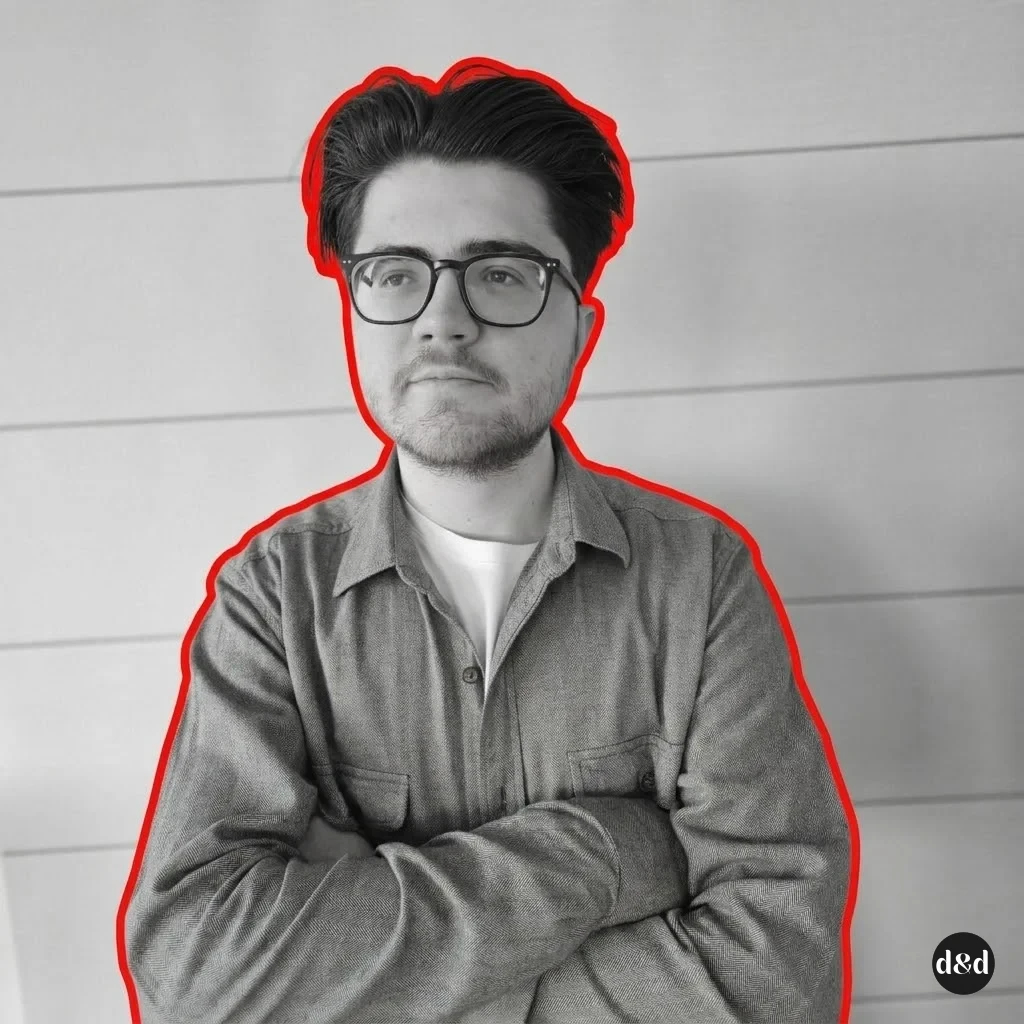
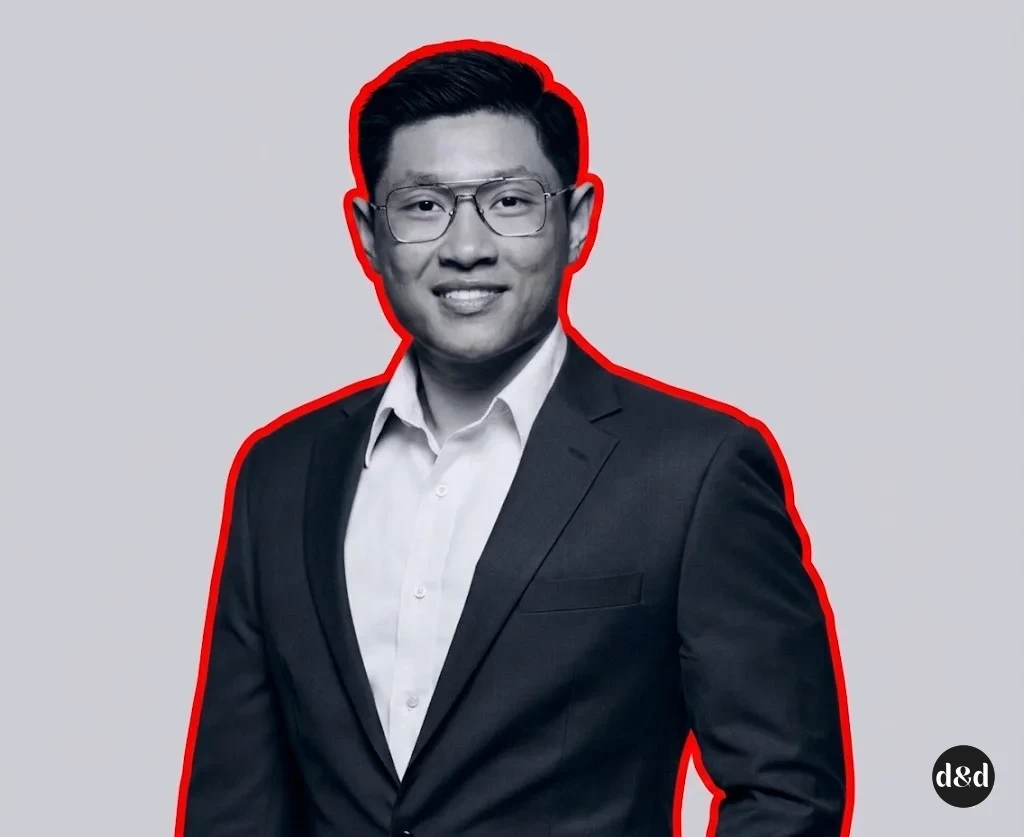
Dr Aengus Tran trained as a doctor in Sydney. He saw the problem firsthand: not enough radiologists, too many scans, patients waiting days or weeks for results that could mean the difference between treatable and terminal.
He could have stayed in practice. Instead, he called his brother Dimitry, and together they built Harrison.ai.
The numbers tell part of the story. Six million patients supported annually. Over 1,000 healthcare facilities across 15 countries. A $179 million Series C round in February 2025, bringing total funding to $240 million. But the statistic that matters most is this: their AI can detect lung cancer an average of 16 months earlier than traditional methods, potentially catching over 32% of cases before they progress.
Sixteen months. In oncology, that’s often the difference between Stage 1 and Stage 3.
The 16-Month Rule: Why Early Detection Changes Everything
Here’s a framework for understanding why those 16 months matter so much:
Stage 1 lung cancer: 5-year survival rate of 80-90%. Often treatable with surgery alone.
Stage 3 lung cancer: 5-year survival rate of 10-36%. Requires aggressive treatment combinations.
The difference isn’t just survival statistics. It’s quality of life, treatment burden, healthcare costs, and years with family. When Harrison.ai talks about detecting cancer 16 months earlier, they’re talking about moving patients from one category to another.
I call this the Early Detection Multiplier: every month of earlier detection compounds into better outcomes across multiple dimensions.
The Immigrant Success Story
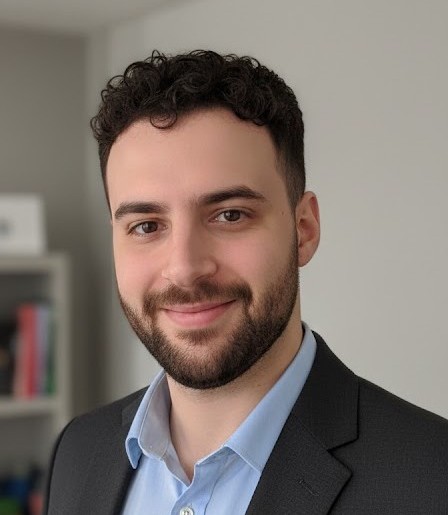
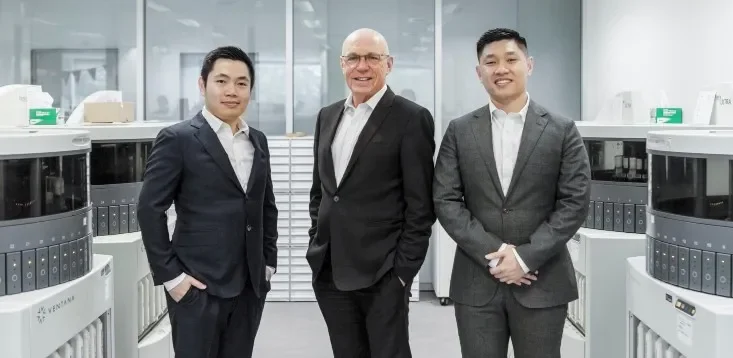 Dimitry Tran (left) and Dr Aengus Tran (right), co-founders of Harrison.ai. Source: Harrison.ai
Both Tran brothers grew up in Ho Chi Minh City. Their father was a renowned mathematics teacher who wrote Vietnam’s national curriculum textbook. He taught them programming from a young age, though neither could have predicted where that foundation would lead.
Dimitry moved to Australia first, in 2003, to pursue studies. Aengus followed several years later at 16, attending Sydney Secondary College at Blackwattle Bay before enrolling at UNSW to study medicine.
“The first thing that struck me was how diverse Australia is compared to Vietnam,” Aengus later recalled. “Where I grew up everyone looked like me and had a similar background. Australia gave me a different perspective.”
That perspective would prove crucial. Aengus brought clinical experience from the frontlines of Australian healthcare. Dimitry brought strategic expertise from years as Head of Innovation at Ramsay Health Care, one of the world’s largest hospital groups. Together, they understood both the problem and the system it existed within.
The Radiologist Shortage Problem
The global shortage of radiologists is staggering. Here’s how I think about the scale:
| Country | Radiologists per 100,000 people |
|---|---|
| United States | ~11 |
| Australia | ~8 |
| Kenya | 0.35 |
Even in well-resourced Australian hospitals, backlogs are crushing: one Sydney metro hospital had over 50,000 scans waiting to be read.
“Imagine going to work and you’re short one in every three or four team members,” Aengus has explained. “The clinicians are doing heroic work just to keep the population healthy.”
The radiologists themselves are working faster than ever. Where they once spent 5-10 minutes per scan, time pressures have compressed that dramatically. Speed creates risk. Fatigue creates risk. Volume creates risk.
Harrison.ai doesn’t replace radiologists. It gives them what Aengus calls “a second pair of eyes.”
The TRIAGE Framework: How the Technology Works
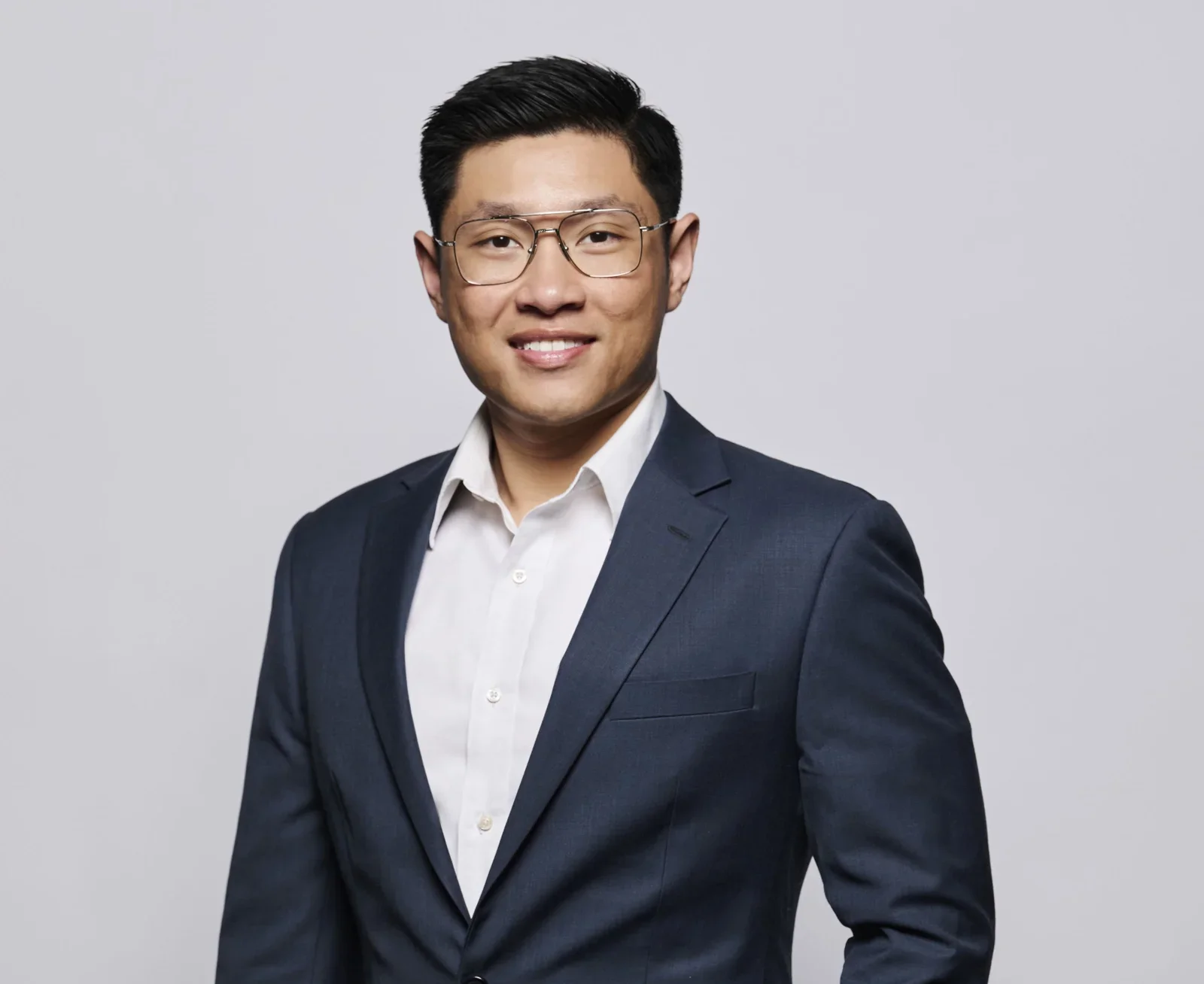 The Annalise.ai interface detects up to 124 findings on chest X-rays. Source: Harrison.ai
I think of Harrison.ai’s approach as the TRIAGE model:
-
T - Triage Critical Cases:
The AI analyses scans before the radiologist sees them. Brain bleeds, suspicious masses, signs of stroke get flagged and moved to the top of the queue. Urgent cases get seen first, not whoever was scanned earliest.
-
R - Review Comprehensively:
The technology detects up to 124 findings on chest X-rays and 130 findings on head CTs. That's roughly four times more than competing products, trained on datasets fine-tuned by 250+ specialist doctors over 240,000 hours.
-
I - Identify Before Sign-off:
Before a radiologist signs off on their report, they can check against the AI's analysis. It's a safety net, a verification layer. Like a spell checker, but for medical imaging.
Clinical studies back up the claims. Research published in 2024 showed that radiologists using Harrison.ai tools saw a 45% improvement in diagnostic accuracy. In Scotland, detection of treatable Stage 1 lung cancers improved by 12%.
The Human-First Principle
Any technology this powerful raises questions. Patient data trains these models. Every scan, every diagnosis, every outcome contributes to the AI’s learning.
Dimitry Tran has been clear about their position, which I’d summarise as the Human-First Principle:
“The AI should never be the first decision-maker. Clinicians make their own assessment, then use AI to check it.”
Human judgment stays primary. AI serves as augmentation, not automation. This matters for adoption. Radiologists initially approached the technology with scepticism. Would it slow them down? Take their jobs? Make them complacent?
According to Harrison.ai, the response has been largely positive. The AI handles triage and verification while clinicians focus their expertise where it matters most.
Beyond Radiology: The Platform Expansion
In 2022, Harrison.ai partnered with Sonic Health to launch Franklin.ai, extending the same approach to pathology. The first product focuses on prostate biopsy analysis, with broader pathology applications in development.
The company also released Harrison.rad.1 in 2024, a radiology-specific vision-language model that can answer open questions about images, detect findings, and generate structured reports. In benchmarks, it outperforms general models like OpenAI and Gemini on radiology tasks.
“It doesn’t just analyse the image; it drafts a report that the radiologist can review and edit,” Dimitry explained. Work that would take several minutes from a trained radiologist happens in seconds.
The Australian Medtech Legacy
Harrison.ai sees itself as the next generation of Australian medtech, following in the footsteps of ResMed and Cochlear. The National Reconstruction Fund has invested $32 million to help keep the company headquartered locally.
The technology is now available to half of Australia’s radiologists. South Australia Medical Imaging deployed it statewide, a first for public radiology in Australia. Gold Coast University Hospital uses it for medical student training, exposing future doctors to rare and complex cases they might never encounter in real-world rotations.
But the global ambition is explicit. The Series C funding supports expansion into the US, EMEA, and Asia Pacific. The company processes scans for 35% of chest X-ray volumes across England’s NHS and powers all CT Brain scans in Hong Kong’s public A&E systems.
Under the hood
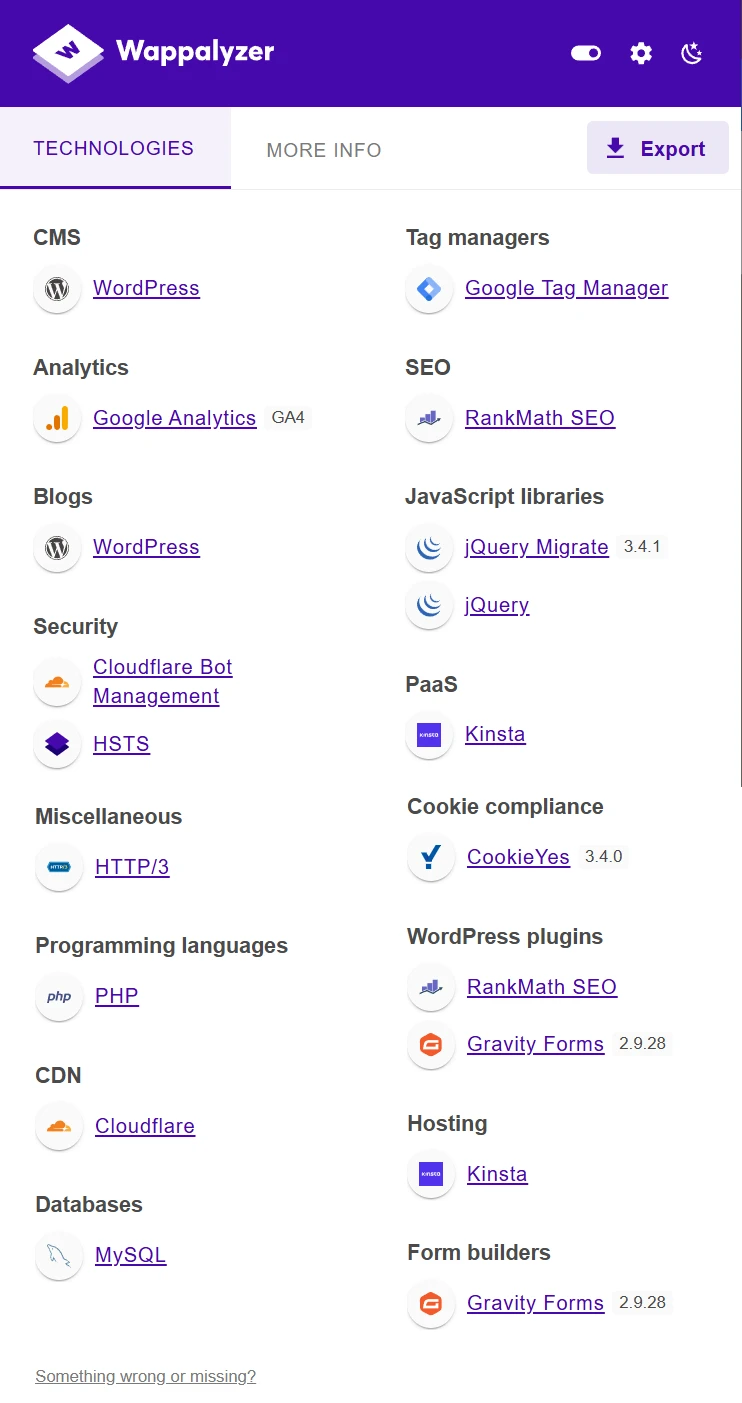 Tech stack captured via Wappalyzer on landing page only.
The marketing site runs WordPress with Elementor and Cloudflare CDN: standard enterprise setup. The real technology lives far beneath this, in the computer vision models and clinical validation pipelines that power their products across 15 countries.
Harrison.ai's Annalise CXR doesn't replace radiologists. It reads the scan first and flags what it finds, giving the radiologist a second pair of eyes before they've even looked. The result: cancers detected up to 16 months earlier than traditional workflows. For the 6 million patients in their network, that gap isn't a statistic. It's time.
The Bottom Line
Harrison.ai’s stated goal is to touch one million lives every day. Currently at six million annually, they’re roughly 60x away from that target. The Series C funding, the international expansion, the pathology push: it’s all building toward that scale.
Key takeaways for healthcare leaders:
-
The 16-Month Rule:
Earlier detection compounds into better outcomes across survival, quality of life, and healthcare costs. Every month matters.
-
The TRIAGE model:
AI works best when it handles triage and verification, not replacement. Human judgment stays primary.
-
The Human-First Principle:
Ask any AI vendor: does the clinician make the first assessment, or the algorithm? The answer reveals their philosophy.
The Tran brothers made the Financial Review Young Rich List and were named among Australia’s Top 100 Innovators for 2025. Dimitry appeared on TIME’s 100 Health list for 2026. The recognition reflects something genuine: two kids from Vietnam who learned programming from their maths teacher father, now building technology that catches cancer before it spreads.
Whether you view this as a quintessentially Australian immigration success story or a glimpse at healthcare’s AI-augmented future, the impact is measurable. Sixteen months earlier detection. Six million patients supported. And a backlog that, scan by scan, gets a little shorter.
Cite This Article
APA 7THReferences
Formatted in APA 7th Edition
- TechCrunch. (2025). Australian health tech startup Harrison.ai scores $112M Series C. techcrunch.com
- Business News Australia. (2025). Now caring for 6 million patients, Harrison.ai raises $179m. businessnewsaustralia.com
- Bond University. (2025). Radiology revolution - Dimitry Tran. bond.edu.au
- Harrison.ai. (2025). Man with an inspiring mission…and a big heart. harrison.ai
- Fierce Healthcare. (2024). Startup Harrison.ai launches radiology-specific language model. fiercehealthcare.com
- Digital Health CRC. (2024). In conversation with Dr Aengus Tran. digitalhealthcrc.com